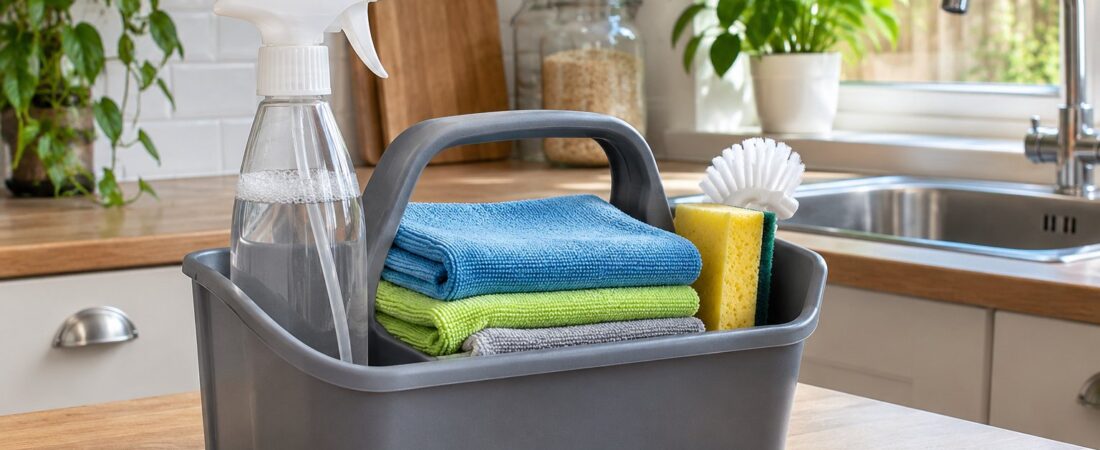
The first recurring cleaning visit is a chance to show the team how your household works. A short list of priorities and clear access instructions are usually more useful than spending the evening trying to clean everything in advance.
On this page
- Identify the rooms that matter most
- Clear surfaces you want the team to reach
- Explain how to get in and what to do about pets
- Use the first visit to fine-tune the routine
- Make a simple first-visit note
- Decide what belongs in every visit
- Plan for changes after the first visit
- Pick a schedule you can keep
- Frequently asked questions
Identify the rooms that matter most
Choose the areas you want the team to focus on. For one household, that might be the kitchen and the main bathroom. For another, it could be the front hall where shoes and pet hair collect. Point out any surfaces with special care instructions, such as unfinished wood, and let the team know if you have product preferences.
Clear surfaces you want the team to reach
Put away loose papers, medicines, small toys, and anything fragile or private. You can move items into a basket or set them in a room you want skipped. If you’re working from home, let the team know which room you’ll be using and when it will be available.
Explain how to get in and what to do about pets
Confirm whether you’ll be home and how the team should reach you if they have trouble getting inside. Share building entry or parking details through your agreed contact method. Let the team know if a pet is likely to bolt through the door or if there’s a room that needs to stay closed.
Use the first visit to fine-tune the routine
After the visit, note what worked and where you’d like the team to spend more time. You might decide to rotate a low-use guest room or give extra attention to the entry during muddy weather. If you want tasks like cleaning inside an oven or refrigerator, ask whether they’re included or should be booked separately.
Make a simple first-visit note
Write down what the team needs before arriving, then keep the note short enough to update. This is especially useful if you’ll be at work or if more than one person in the household handles scheduling.
- Access: which door to use and whom to call if it’s locked.
- Priorities: the rooms or surfaces that matter most this visit.
- Preferences: products to avoid, materials with special care instructions, and items that should stay in place.
- Pets: where they’ll be and which doors or gates must stay closed.
- Follow-up: how you want to communicate a schedule change or new request.
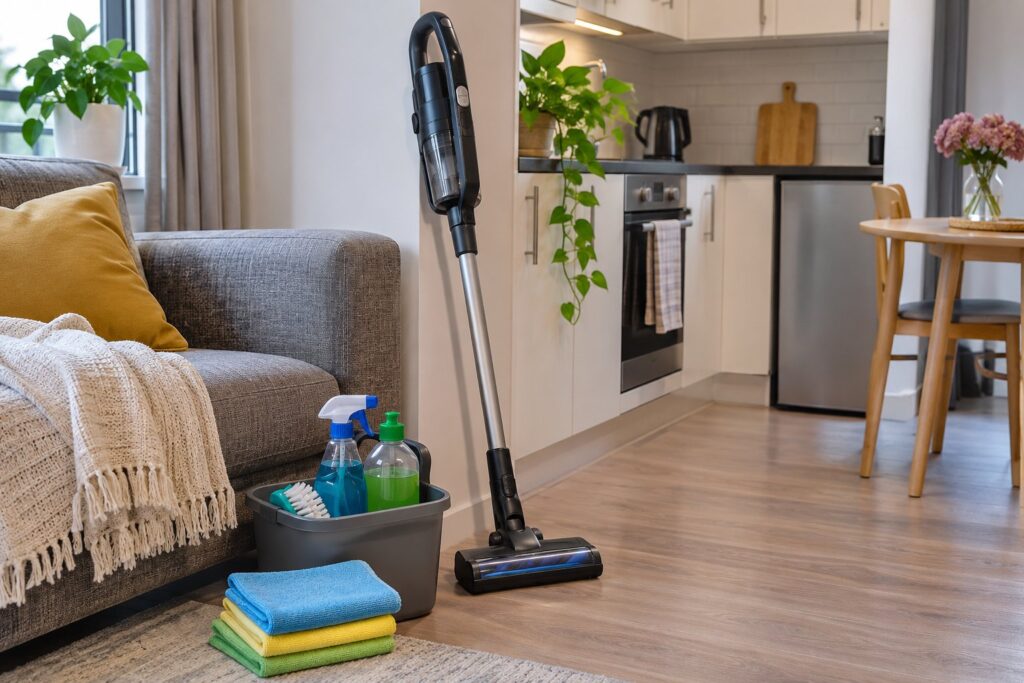
Share sensitive access details only through your agreed contact method. If a building has a front desk, confirm how a visitor should check in. Keep a backup contact available in case you’re in a meeting when the team arrives.
Decide what belongs in every visit
Think in terms of rooms and routines. A household that cooks most evenings may prioritize the kitchen and dining floor. A household with pets may prefer more time at the entry and in the living room. Agree on which tasks should happen every time and which are suitable for rotation. The CDC’s home cleaning guide is a practical reference for cleaning frequently touched surfaces and choosing a product appropriate to the material.
Example priority note. “Please start with the kitchen and upstairs bathroom. Skip the downstairs office before noon, and leave the dog’s gate closed. The dining table is unfinished wood, so please check with me before applying anything.” A short note like this is easier to act on than a room-by-room list with every item marked urgent.
Plan for changes after the first visit
Check whether the schedule worked with your household. If the same room is unavailable every time, change the order or adjust the visit window. If the entry needs extra attention during wet weather, ask whether a less-used room can rotate. For a smaller home, start with the kitchen, bathroom and entry before deciding whether any other room needs attention.
Pick a schedule you can keep
Think about what the home looks like just before you would want another visit. The signs might be bathroom surfaces that need attention, a floor that collects crumbs, or a sofa surrounded by pet hair. Note how quickly those tasks build up, then consider when your schedule offers a reliable access window. Review both after a few visits. If you routinely have people over on weekends, for instance, a weekday appointment that leaves the main rooms ready can work better than whichever day happens to be open first.
Frequently asked questions
Do I need to clean before a cleaner arrives?
Clear the surfaces you want reached and put away sensitive or fragile items. Leave the cleaning tasks you’ve agreed on for the visit.
Should I be home for the first visit?
Being home can help if you want to walk through priorities. If you’ll be out, confirm entry and a way to reach you in advance.
Can I add a task later?
Ask ahead of the next visit. Explain what needs attention and confirm whether the task fits the existing scope or requires a separate estimate.
Serving Dorchester, MA
Santhia Cleaning Services serves Dorchester and surrounding areas. See our service areas or open Dorchester in Google Maps. For questions or a free estimate, contact Santhia Cleaning Services.
Plan your cleaning visit
Ready to find a schedule that fits your household? Start with Santhia’s recurring cleaning service in Dorchester and surrounding areas.
About the publisher. Santhia Cleaning Services provides residential and commercial cleaning in Dorchester and surrounding areas.