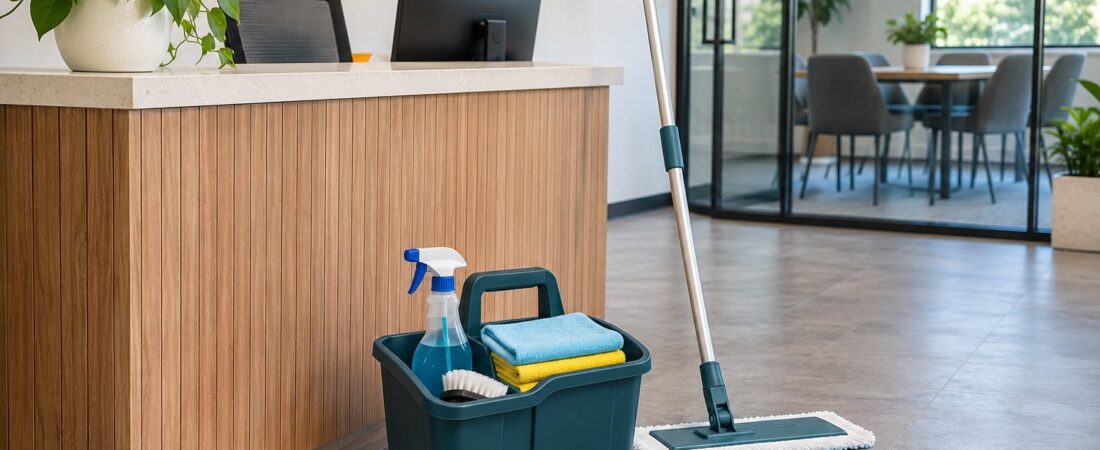
A small office doesn’t need the same cleaning in every room. A lobby may get muddy every morning, while a meeting room stays tidy until a client visit. Walk through the office as if you were opening up for the day. Which areas do you notice first, and which ones do people use most?
On this page
- Prioritize shared spaces
- Decide what’s ready to clean
- Choose a schedule around office use
- Write down the details that save a return trip
- Build an office cleaning checklist by room
- Match the routine to the workday
- Separate regular cleaning from special requests
- Create a handoff for the office manager
- Frequently asked questions
Prioritize shared spaces
Start with the entry, restrooms, and break room. Note where the floor picks up dirt, where bins fill quickly, and which surfaces tend to collect spills. If clients visit, add the reception desk and waiting area. An internal meeting room may only need extra attention on days when people use it heavily.
Decide what’s ready to clean
Agree on what staff should clear before a visit. An empty table can be wiped right away, while a desk covered in paperwork may be best left alone. Identify any locked rooms, equipment, monitors, or workstations that need special handling. If you supply paper goods or bin liners, show the cleaning team where replacements are kept.
Choose a schedule around office use
Base the schedule on foot traffic, the number of people sharing the space, and the hours when rooms are available. A late visit may work for an office that closes at a predictable time. A different time may suit a business that has evening appointments. Agree on how to handle holiday closures or a last-minute change to access.
Write down the details that save a return trip
Give your cleaning team a contact for entry issues, instructions for keys or alarms, and a short list of priorities. Keep it simple enough to update when your team moves desks or adds a new workspace.
Build an office cleaning checklist by room
Give each area its own list. A short checklist by room makes it easier to confirm priorities with your staff and explain them to the person preparing a quote.
- Reception: clean reachable hard surfaces, tidy the waiting area, and check entrance mats and floors for tracked-in dirt.
- Break room: focus on the sink, countertops, tables, bins and the exterior of shared appliances. Decide separately who handles dishes and food left in the refrigerator.
- Restrooms: list the sinks, toilets, mirrors and floors. Confirm who stocks soap, paper towels and toilet paper.
- Meeting rooms: clear the table and check chairs and floors before visitors arrive. Flag electronics that need separate handling.
- Workstations: define whether the service covers only clear surfaces, shared equipment, or individual desks as well.
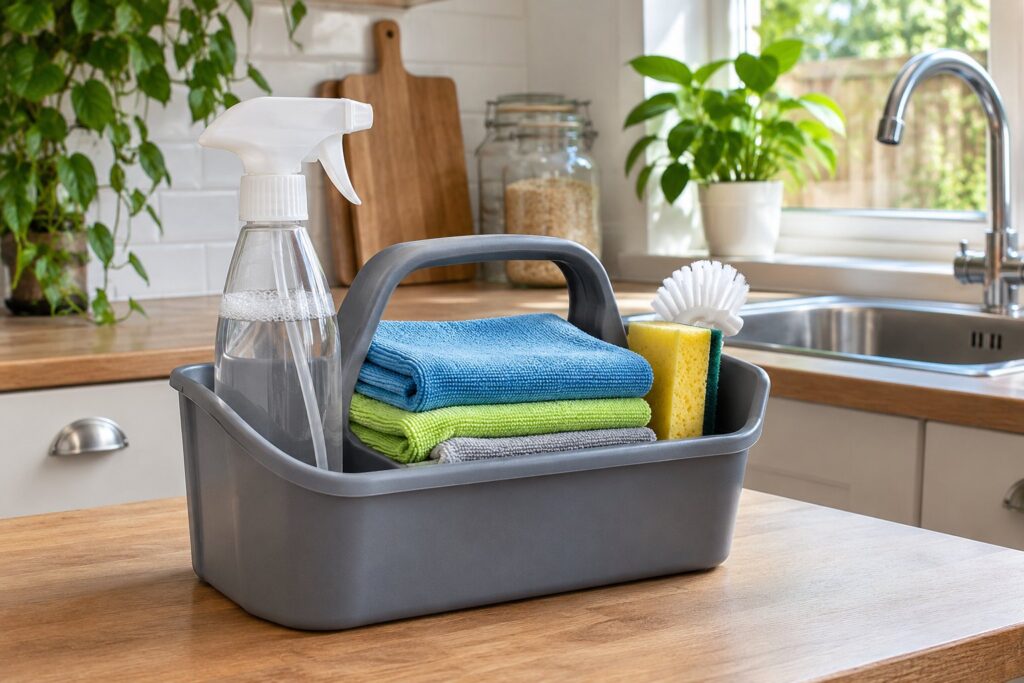
Put special requests on a separate line. Interior refrigerator cleaning, glass partitions, or a storage area may take additional time and should be discussed before the first visit.
Match the routine to the workday
Picture a Dorchester office with client appointments on Tuesday and Thursday. The receptionist notices muddy mats on rainy mornings, and the break-room bin fills by closing. That office might prioritize the lobby and bins before appointment days, with meeting rooms checked as needed. A back office without visitors could use a different schedule. The example helps you pick priorities based on how the office runs, instead of guessing from square footage alone.
For the first visit, share when the office is open, which entrances are available and whether an alarm will be set. Give staff a simple routine for clearing items they don’t want moved. If cleaning is happening during business hours, flag any rooms that must stay quiet for appointments or calls.
Separate regular cleaning from special requests
An office routine can include visible dirt, bins and shared surfaces. Requests for disinfecting or specialized equipment need their own instructions. The CDC’s facility cleaning guidance explains the distinction and the importance of product directions. For retail, office or other shared spaces, compare the service scope on Santhia’s commercial cleaning page.
Create a handoff for the office manager
Choose one person to confirm changes with the cleaning team. Give them a short list of items to check after the first visit, such as whether the break-room sink was clear, whether the lobby mats needed more attention, and whether any offices were inaccessible. Note the room, the issue and when it was noticed. That gives the team a specific detail to act on and helps you distinguish a one-off problem from something that needs to change in the routine.
Frequently asked questions
How often should a small office be cleaned?
Start with the busiest areas and adjust based on foot traffic, trash volume and how often clients visit. Review the routine after you’ve seen how it works over several visits.
Can the team clean after hours?
Share your preferred window when requesting an estimate so availability and building access can be confirmed together.
What information should I send for an office cleaning quote?
Include the type and approximate size of the space, restrooms and common areas, preferred hours, and any tasks outside the regular routine.
Serving Dorchester, MA
Santhia Cleaning Services serves Dorchester and surrounding areas. See our service areas or open Dorchester in Google Maps. For questions or a free estimate, contact Santhia Cleaning Services.
Plan your cleaning visit
For a workspace in Dorchester or the surrounding area, see Santhia’s office cleaning service and share your hours, the size of the space, and the areas you want covered.
About the publisher. Santhia Cleaning Services provides residential and commercial cleaning in Dorchester and surrounding areas.